Daytime load,
daytime sun.
Most Malaysian factories and shoplots draw their heaviest load exactly when the sun is strongest. That overlap is what makes commercial solar pay back faster than residential.
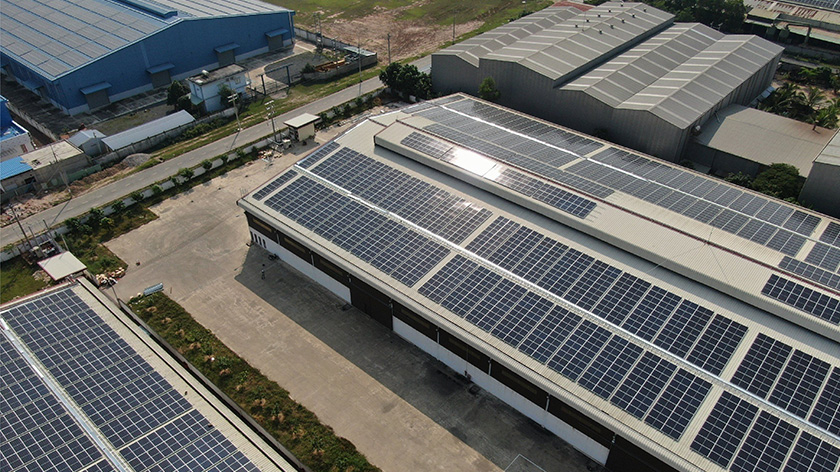
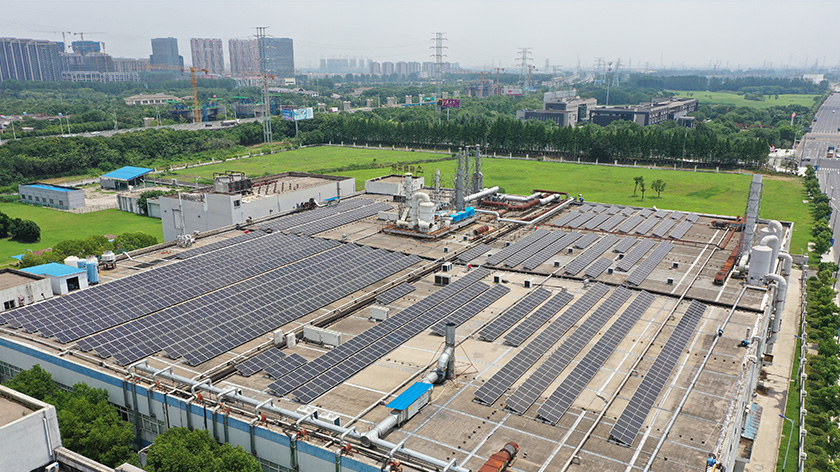
Sized by roof, not by catalogue
More MPPTs means more independent panel groups, which matters on a roof broken up by skylights, vents and plant rooms.
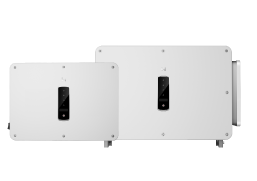
| Series | Output | MPPTs | Suited to |
|---|---|---|---|
| LVSMT | 12 – 35 kW | Up to 6 | Shoplots, workshops, small warehouses |
| LVMT | 30 – 50 kW | 4 | Low-voltage commercial rooftop |
| HT | 73 – 120 kW | Up to 12 | Complex factory roofs, multiple orientations |
| HT | 225 / 250 kW | 6 / 12 | Large industrial and utility-scale |
| GT | 100 – 150 kW | 8 / 10 | High-density commercial arrays |
Shift the peak, hold the line
Storage does two jobs on a commercial site: it moves consumption out of peak tariff windows, and it keeps critical load running through a dip.
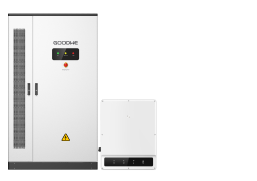
Entry C&I battery system.
Larger block for heavier peak shifting.
Integrated 125 kW / 261 kWh storage system.
Peak figure on the C&I inverter range.
Sites we size for
Factories
Machine load runs through daylight hours, and roof area is usually the one thing a factory has plenty of.
- Large single-plane roofs
- Peak-hour tariff exposure
- Critical process load worth backing up
Cold rooms & F&B
Refrigeration runs continuously, and a supply interruption has a measurable cost in spoiled stock.
- Round-the-clock base load
- Storage sized to ride through outages
- Fast switchover on grid loss
Shoplots & offices
Smaller roofs, aircon-dominated load, and a strong daytime match between generation and consumption.
- LVSMT range from 12 kW
- Multiple orientations handled per MPPT
- Monitoring across several outlets
Send twelve months of bills
A year of consumption data shows us your peak windows and your base load — the two numbers that decide array size and whether storage is worth it.
Request a site assessment